
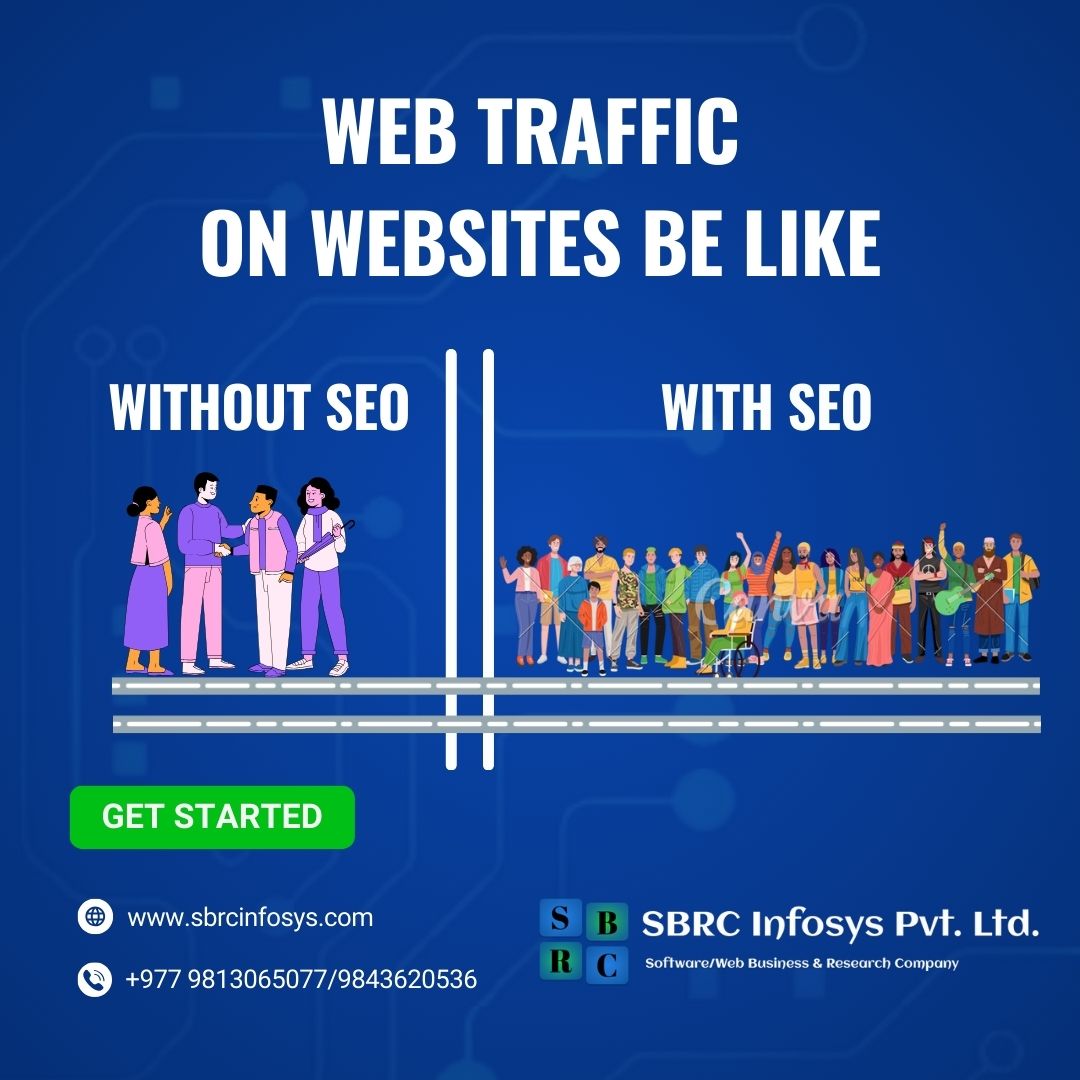
In the digital age, visibility on search engines like Google can make or break a business. Search Engine Optimization (SEO) is the art and science of enhancing a website’s visibility on search engine results pages (SERPs). By optimizing various elements of a website, businesses can attract more organic traffic, improve user experience, and ultimately increase conversions. In this blog post, we’ll explore the fundamentals of SEO, its key components, and best practices to help you rank higher in search engine results.
What is SEO?
SEO, or Search Engine Optimization, is the process of improving a website’s visibility and ranking on search engines through organic (non-paid) means. The goal of SEO is to increase the quantity and quality of traffic to a website by making it more attractive to search engines and users alike.
Key Components of SEO
- On-Page SEO: This involves optimizing individual web pages to rank higher and earn more relevant traffic. Key elements of on-page SEO include:
- Keyword Research: Identifying the words and phrases that potential customers use to search for products or services related to your business.
- Content Optimization: Creating high-quality, valuable content that addresses the needs and queries of your target audience. This includes using keywords naturally, structuring content with headings, and incorporating multimedia elements.
- Meta Tags: Optimizing title tags, meta descriptions, and header tags to make them relevant and enticing for search engines and users.
- URL Structure: Creating clean, descriptive URLs that include relevant keywords.
- Internal Linking: Linking to other pages within your website to improve navigation and distribute page authority.
- Off-Page SEO: This focuses on activities outside of your website that impact your rankings. Key elements of off-page SEO include:
- Backlinks: Acquiring high-quality, authoritative links from other websites. Backlinks signal to search engines that your content is trustworthy and valuable.
- Social Signals: Engagement on social media platforms can indirectly influence your SEO by driving traffic and increasing visibility.
- Brand Mentions: Being mentioned in reputable sources online can enhance your credibility and authority.
- Technical SEO: This involves optimizing the technical aspects of your website to improve its crawlability and indexing by search engines. Key elements of technical SEO include:
- Site Speed: Ensuring your website loads quickly to enhance user experience and reduce bounce rates.
- Mobile-Friendliness: Making sure your website is responsive and provides a good user experience on mobile devices.
- XML Sitemaps: Creating and submitting sitemaps to search engines to help them understand the structure of your website and index your pages more efficiently.
- Robots.txt: Using this file to control which pages search engines can crawl and index.
- Structured Data: Implementing schema markup to help search engines understand the content and context of your pages.
- Local SEO: For businesses with a physical presence, local SEO is crucial for attracting nearby customers. Key elements of local SEO include:
- Google My Business: Claiming and optimizing your Google My Business listing to appear in local search results and on Google Maps.
- NAP Consistency: Ensuring your business name, address, and phone number are consistent across all online platforms.
- Local Citations: Getting your business listed in local directories and review sites.
Best Practices for SEO
- Create High-Quality Content: Content is king in the world of SEO. Focus on creating valuable, informative, and engaging content that addresses the needs and interests of your target audience. Regularly update your content to keep it fresh and relevant.
- Optimize for Keywords: Conduct thorough keyword research to identify the terms your audience is searching for. Use these keywords naturally in your content, meta tags, URLs, and headings. Avoid keyword stuffing, as it can harm your rankings.
- Improve User Experience (UX): A positive user experience can significantly impact your SEO. Ensure your website is easy to navigate, loads quickly, and is mobile-friendly. Use clear calls to action (CTAs) and provide a seamless journey for your users.
- Build Quality Backlinks: Focus on acquiring backlinks from reputable and relevant websites. This can be achieved through guest posting, creating shareable content, and building relationships with influencers in your industry.
- Monitor and Analyze Performance: Use tools like Google Analytics and Google Search Console to track your website’s performance. Analyze your traffic, user behavior, and rankings to identify areas for improvement and measure the effectiveness of your SEO efforts.
- Stay Updated with SEO Trends: SEO is constantly evolving, with search engines regularly updating their algorithms. Stay informed about the latest trends and best practices to ensure your SEO strategy remains effective.
Conclusion
SEO is a powerful tool for enhancing your online visibility, driving organic traffic, and achieving business success. By understanding the key components of SEO and implementing best practices, you can improve your website’s search engine rankings and attract a steady stream of potential customers. Remember, SEO is a long-term investment, and consistent effort is required to achieve and maintain high rankings. Embrace the power of SEO and unlock new opportunities for your business in the digital landscape.